Selimiye Vakıf Müzesi
Edirne
Three museums around the Selimiye Mosque, an Ottoman hospital, the ruins of Edirne Palace and the Lausanne Monument in Karaağaç, all in one day.
1 day · 6 stops · about 11 km · about 6 h 45 min including visits · on foot and by transport
Edirne, close to the Greek and Bulgarian borders, was the Ottoman capital before Istanbul. It is a few hours from Istanbul by intercity bus and compact enough to see well in a day. Spend the morning on foot around the Selimiye Mosque, then head out to the river and to Karaağaç in the afternoon, when a taxi or a city bus makes life easier.
Start at the Selimiye Mosque, the work of the Ottoman architect Mimar Sinan and a UNESCO World Heritage Site. It is a working mosque: visits pause at prayer times, shoulders and knees should be covered and women cover their hair. Stand under the dome for a few minutes before you move on; the first two museums of the morning belong to the same complex. A külliye, the word you will see on signs, is a mosque together with its schools, kitchens and other charitable buildings.
Two of the complex's madrasas (religious colleges) are now museums. At the south-west corner, the Selimiye Foundation Museum shows tiles, calligraphy, woodwork, metalwork and clocks, some of the tiles taken from the Selimiye, Muradiye and Şah Melek mosques. At the opposite corner, the Museum of Turkish and Islamic Arts of Edirne fills an arcaded courtyard with calligraphy, weapons and ceramics; out in the courtyard are Janissary gravestones and cannon from the Balkan Wars. Two hours covers both.
Behind the mosque, the Edirne Museum combines archaeology and ethnography: finds from excavations in Thrace on one side, textiles, costumes and household objects from Edirne life on the other. Allow an hour. For lunch, walk down through the covered market below the mosque into the centre, where fried liver, Edirne's signature dish, is served almost everywhere.
Head across the Tunca river to the complex of Sultan Bayezid II. You can walk, but a taxi is much quicker. Its hospital buildings now house the Health Museum, where the hexagonal domed ward recalls how patients were once treated with music and the sound of running water. An hour is enough.
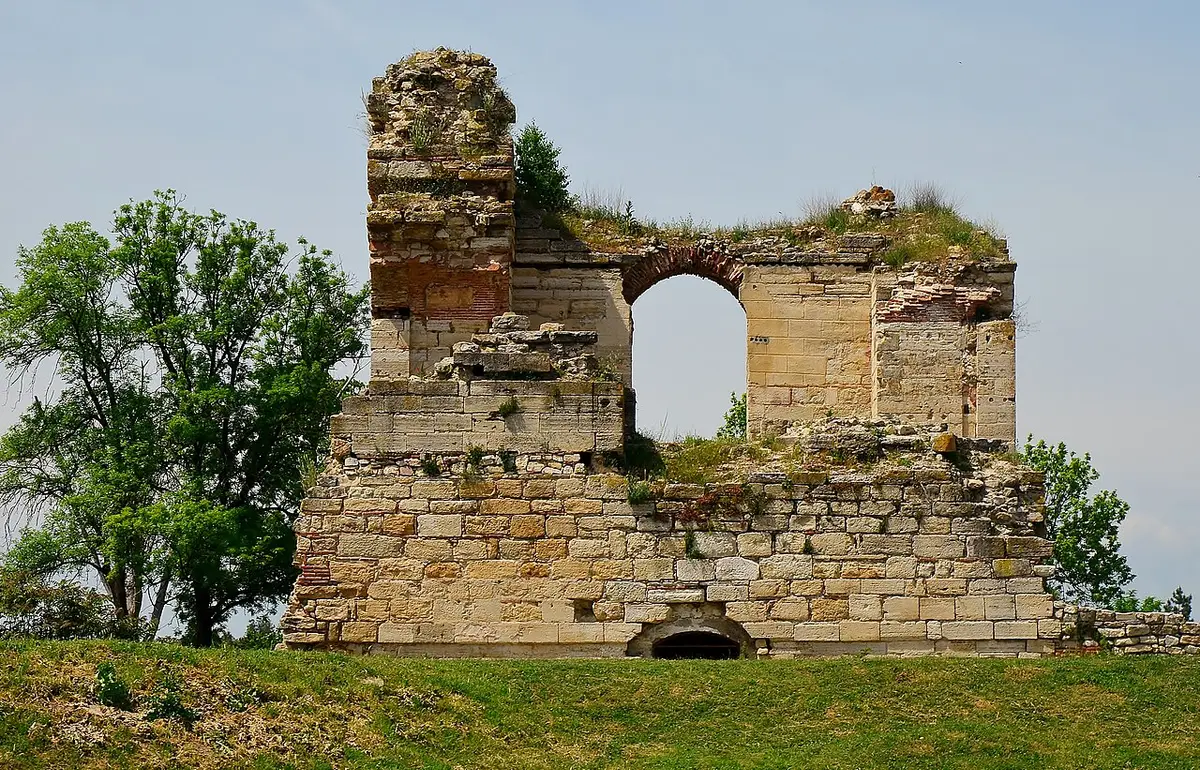
From there, follow the river to Sarayiçi. Edirne Palace was once the largest Ottoman palace after Topkapı; today most of it is in ruins and excavation and restoration are under way. The best-preserved building is Sinan's Justice Pavilion (Adalet Kasrı). The arena of the Kırkpınar oil-wrestling festival is also here. Half an hour to an hour will do.
Cross the Tunca and Meriç bridges to Karaağaç. Next to the old railway station, the Lausanne Monument and its small museum explain how Karaağaç became part of Turkey under the 1923 Treaty of Lausanne. On the way back, stop on the Meriç bridge for the sunset.
Edirne
In the Darülkurra madrasa at the south-west corner of the Selimiye Mosque.
To the next stop: about 0.1 km · 2 min on foot
In the Darülhadis madrasa south-east of the mosque; look at the gravestones in the courtyard.
To the next stop: about 0.1 km · 2 min on foot
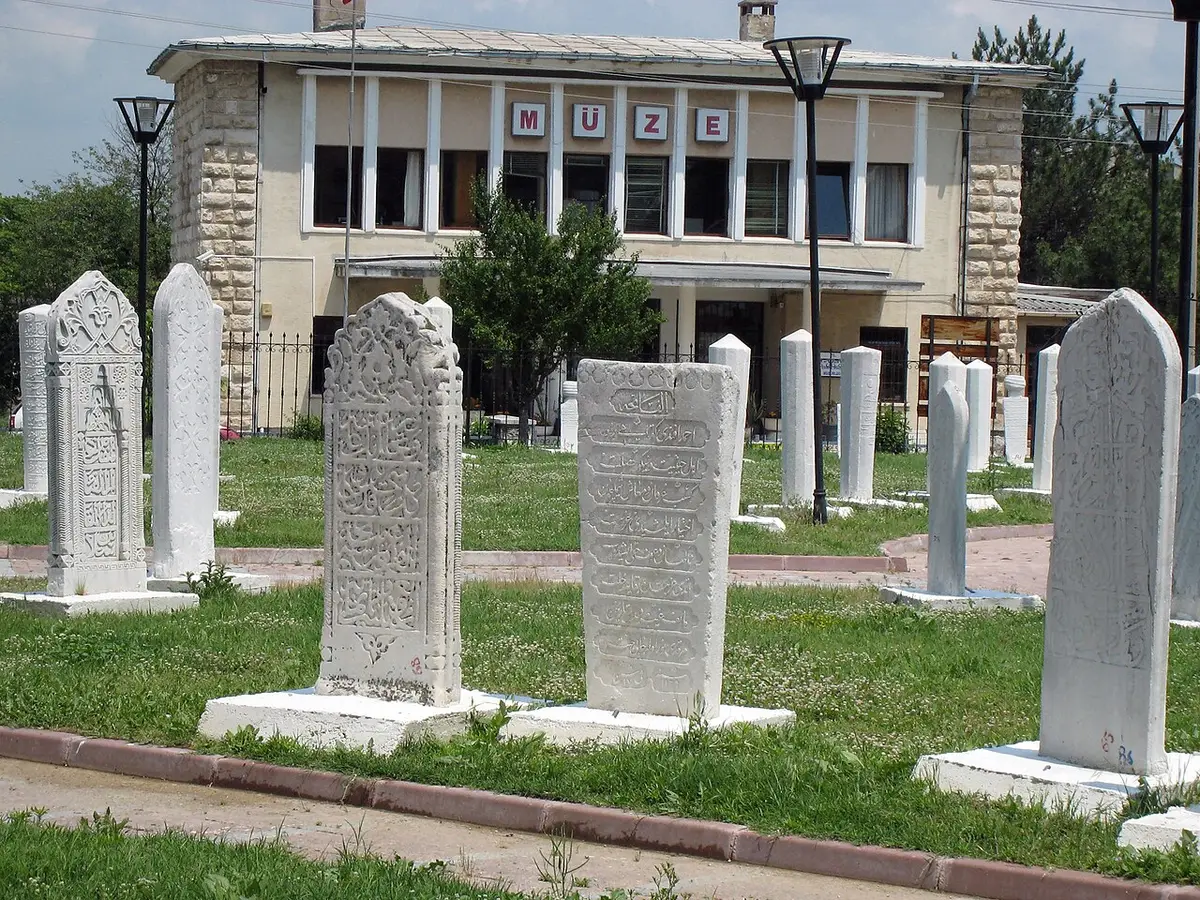
Just behind the Selimiye; archaeology and ethnography under one roof.
To the next stop: about 2.2 km · 2 min by car
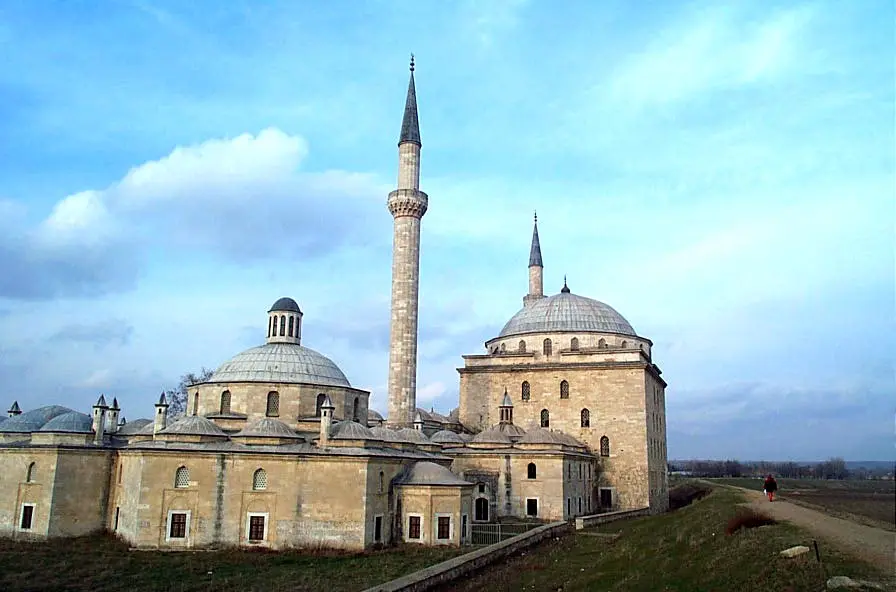
Across the Tunca river; walkable, but a taxi saves time.
To the next stop: about 1.6 km · 2 min by car
Edirne
An open site at Sarayiçi; most of the palace is in ruins and excavation is ongoing.
To the next stop: about 7.3 km · 7 min by car
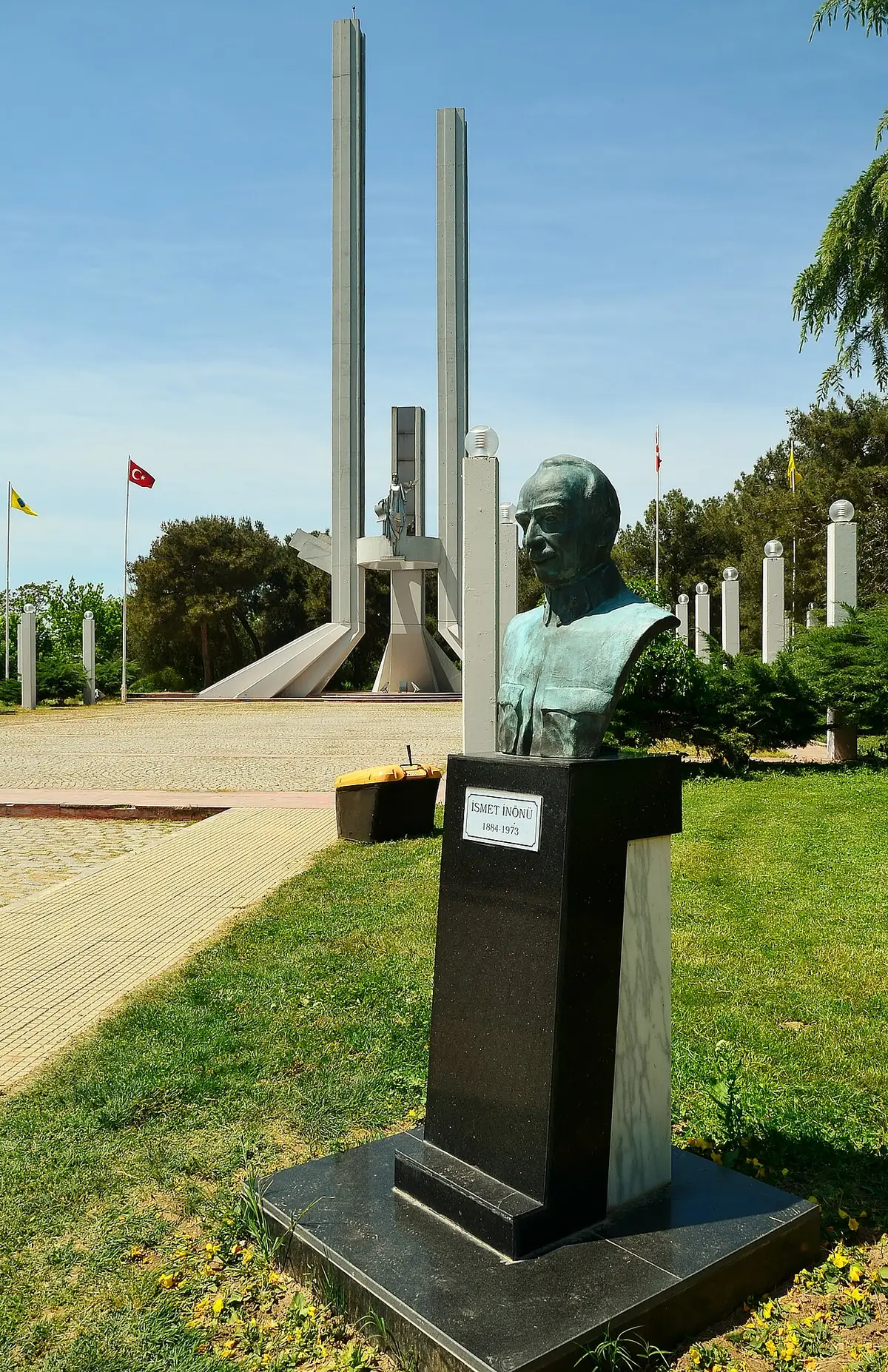
In Karaağaç next to the old railway station; the last stop of the day.
Distances are straight-line estimates adjusted for roads and paths; check the hours on each museum page before you go.